
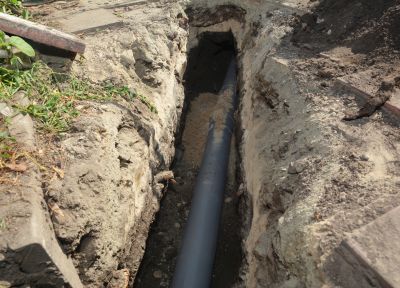
Underground Pipe Installation in Denver, CO
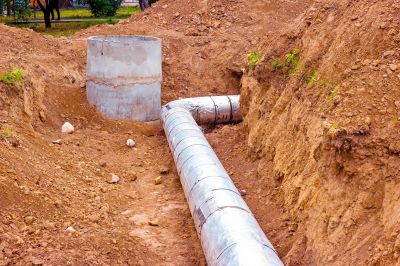
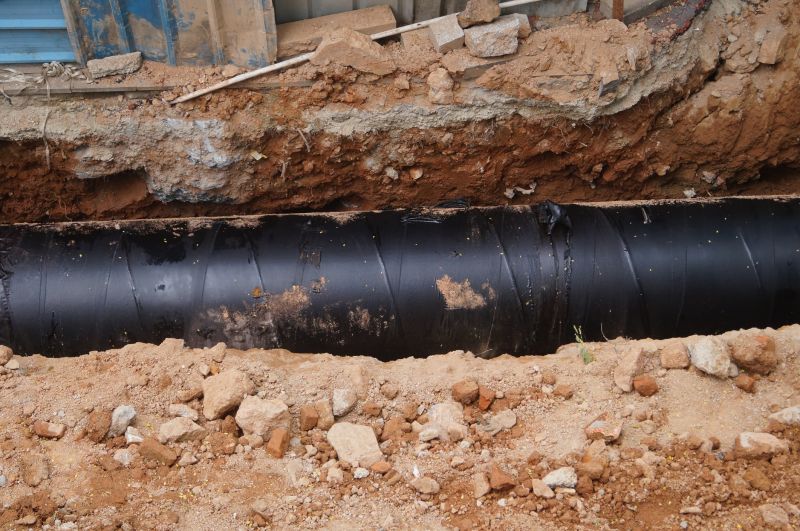
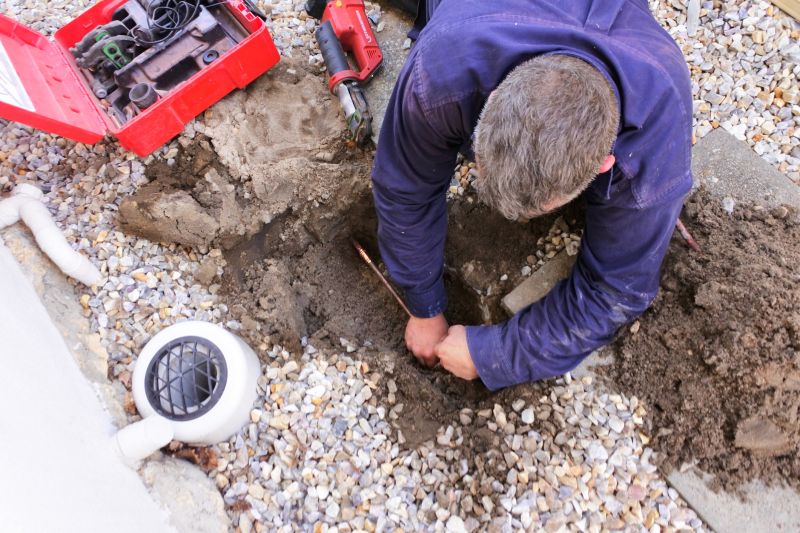
Underground pipe installation services involve placing essential piping systems beneath the surface of a property to support various utilities such as water, sewage, drainage, and irrigation. These projects typically include installing new pipes for home plumbing, replacing aging lines, or expanding a property's infrastructure to accommodate landscaping or additional structures. Property owners often seek this service to ensure reliable utility connections, prevent future leaks or blockages, and maintain the integrity of their property's underground systems.
Before requesting underground pipe installation, property owners should understand the scope of the project, including the type of pipes needed, the location of existing underground utilities, and any permits or regulations that may apply. It’s also helpful to consider the soil conditions, accessibility of the installation area, and potential disruption to landscaping or existing structures. Clear communication about these factors can help ensure the installation process proceeds smoothly and meets the property's specific needs.
Many property owners in Denver, CO look into Underground Pipe Installation for repairs, replacements, upgrades, and appearance-related improvements.
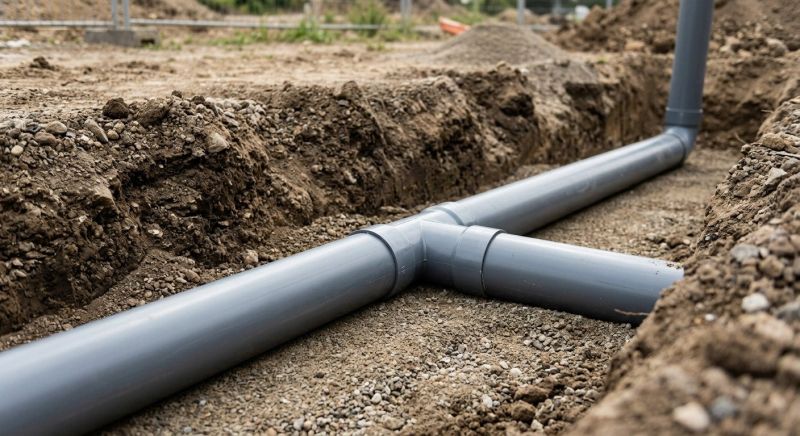
Underground Pipe Installation
Proper installation ensures reliable water, sewer, and drainage systems for residential properties in denver.
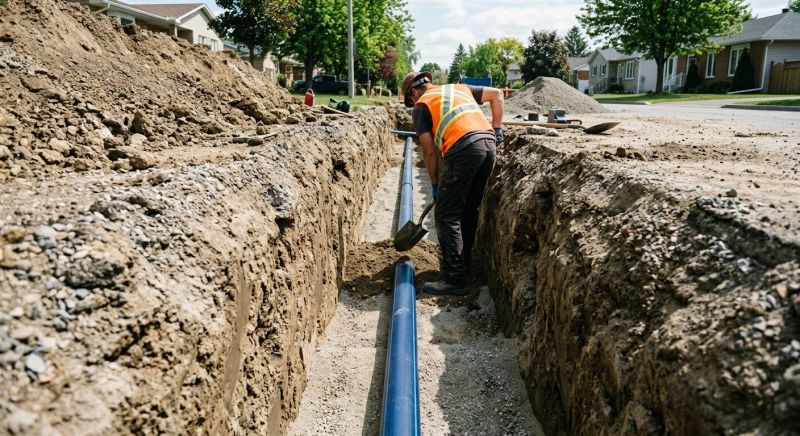
Planning And Permitting
Comprehensive planning and permits help ensure underground pipe projects meet local codes and safety standards.
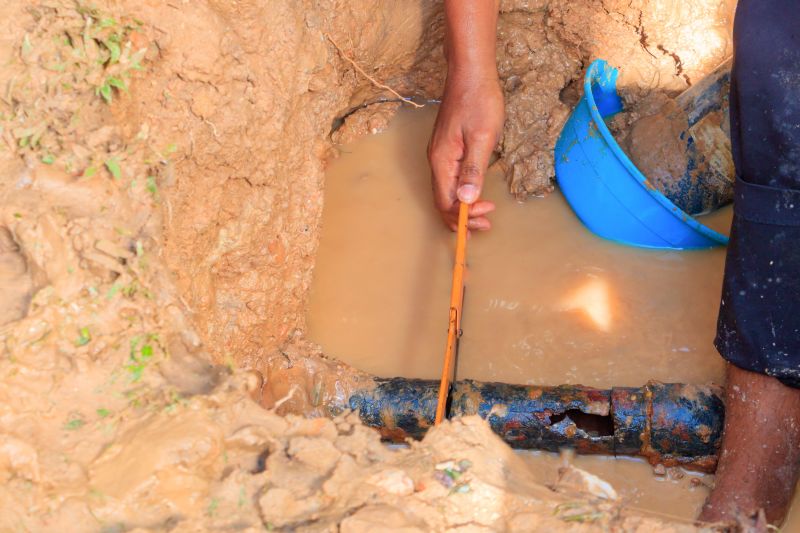
Maintenance And Repairs
Regular inspections and repairs can prevent costly damages and extend the lifespan of underground piping systems.
Underground Pipe Installation in Denver, CO

Underground pipe installation services involve placing essential piping systems beneath the surface of a property to support various utilities such as water, sewage, drainage, and irrigation. These projects typically include installing new pipes for home plumbing, replacing aging lines, or expanding a property's infrastructure to accommodate landscaping or additional structures. Property owners often seek this service to ensure reliable utility connections, prevent future leaks or blockages, and maintain the integrity of their property's underground systems.
Before requesting underground pipe installation, property owners should understand the scope of the project, including the type of pipes needed, the location of existing underground utilities, and any permits or regulations that may apply. It’s also helpful to consider the soil conditions, accessibility of the installation area, and potential disruption to landscaping or existing structures. Clear communication about these factors can help ensure the installation process proceeds smoothly and meets the property's specific needs.
Many property owners in Denver, CO look into Underground Pipe Installation for repairs, replacements, upgrades, and appearance-related improvements.
Common Underground Pipe Installation Jobs
Underground water line installation - ensures reliable supply of fresh water to residential properties.
Drainage pipe installation - helps prevent flooding and manage excess water around the property.
Sewer pipe replacement - replaces aging or damaged sewer lines to maintain proper waste flow.
Gas line installation - safely installs underground gas lines for residential appliances and heating systems.
Irrigation system piping - connects underground pipes for efficient lawn and garden watering.
Utility trenching services - creates pathways for various underground utilities with minimal disruption.
Underground Pipe Installation Questions
What types of underground pipes are typically installed? Common installations include water supply lines, drain pipes, and sewer lines for residential and commercial properties.
Why is proper planning important for underground pipe installation? Proper planning helps prevent future issues like leaks, blockages, and damage to existing utilities.
What areas are suitable for underground pipe installation? Pipes can be installed beneath driveways, yards, along property boundaries, and around building foundations.
How deep are underground pipes usually installed? The depth depends on local codes and the type of pipe, but generally ranges from 18 inches to several feet below the surface.
Request Underground Pipe Installation in Denver, CO
Use the quote form on this page to share the basics of your project and request more information for the type of work you need.