
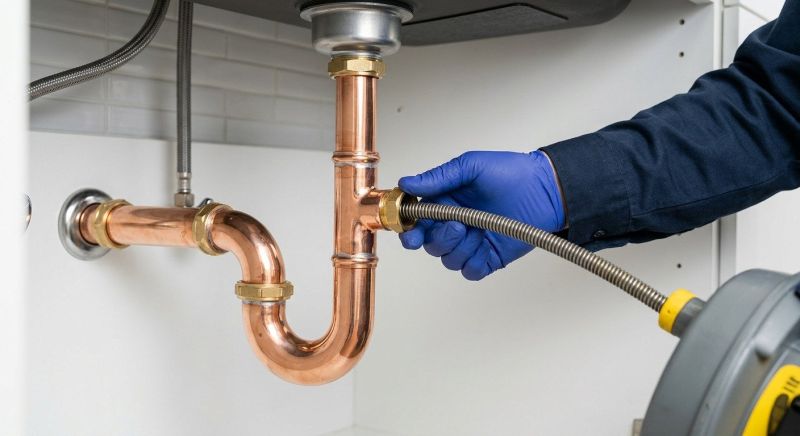
Drain Blockage Removal in Denver, CO
Drain blockage removal services are designed to clear obstructions that prevent proper flow in household plumbing systems. This service covers a variety of projects, including kitchen sinks, bathroom drains, toilets, and main sewer lines. Property owners often seek these services when experiencing slow drainage, foul odors, or backups that disrupt daily routines. Understanding the location and severity of the blockage, as well as any previous issues with the plumbing system, can help homeowners determine the best approach for effective removal.
Before requesting drain blockage removal, property owners typically want to know what methods will be used and how the process might impact their property. They may also inquire about the types of tools or equipment involved, such as augers or high-pressure water jets, and whether repairs might be necessary afterward. Clear communication about the scope of work and potential causes of blockages can help ensure that the service addresses the root of the problem efficiently.
Many property owners in Denver, CO look into Drain Blockage Removal for repairs, replacements, upgrades, and appearance-related improvements.
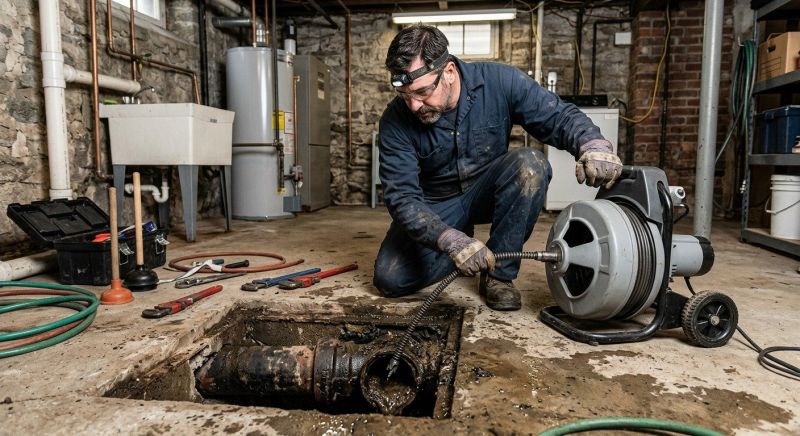
Signs Of Drain Blockage
Slow drains, foul odors, and gurgling sounds can indicate a blockage in your plumbing system.
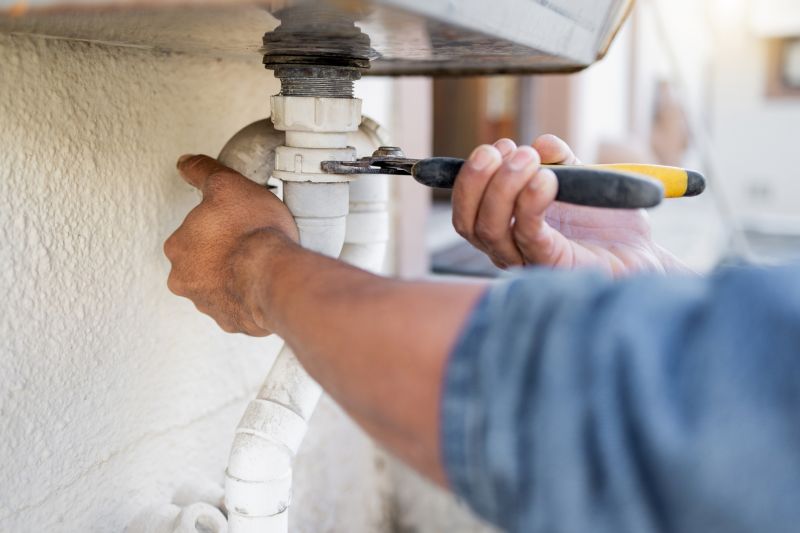
Common Causes Of Blockages
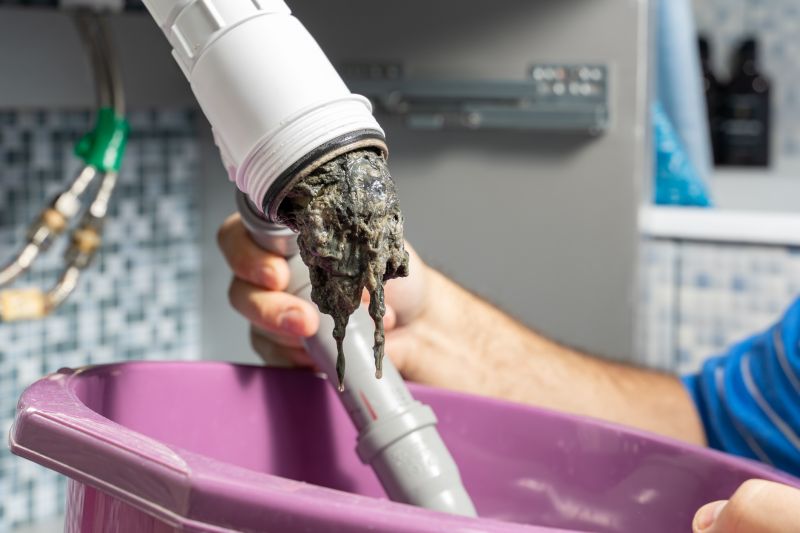
Build-up of grease, hair, soap scum, and debris often lead to drain clogs in residential and commercial properties.
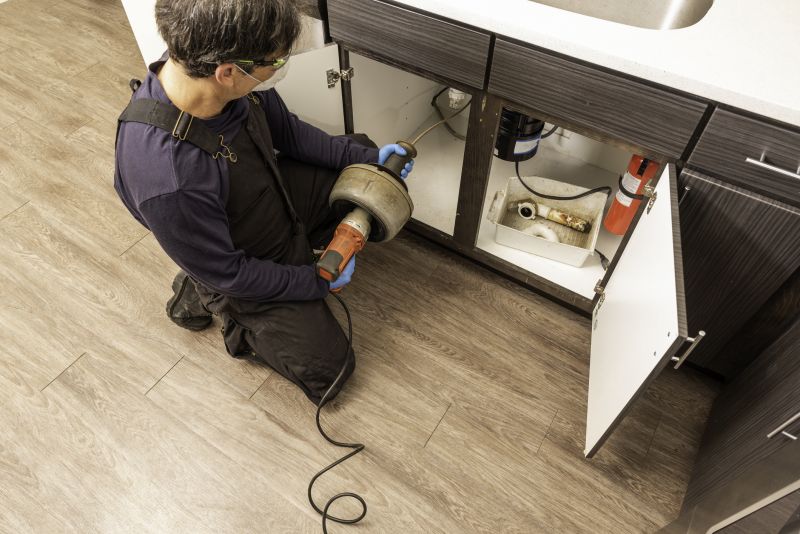
Preventative Maintenance Tips
Regular drain cleaning and mindful disposal of waste can help prevent future blockages in denver homes and businesses.
Drain Blockage Removal in Denver, CO

Drain blockage removal services are designed to clear obstructions that prevent proper flow in household plumbing systems. This service covers a variety of projects, including kitchen sinks, bathroom drains, toilets, and main sewer lines. Property owners often seek these services when experiencing slow drainage, foul odors, or backups that disrupt daily routines. Understanding the location and severity of the blockage, as well as any previous issues with the plumbing system, can help homeowners determine the best approach for effective removal.
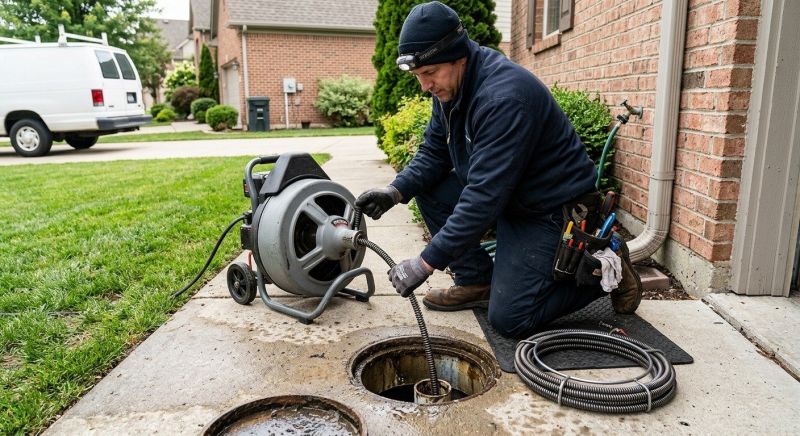
Before requesting drain blockage removal, property owners typically want to know what methods will be used and how the process might impact their property. They may also inquire about the types of tools or equipment involved, such as augers or high-pressure water jets, and whether repairs might be necessary afterward. Clear communication about the scope of work and potential causes of blockages can help ensure that the service addresses the root of the problem efficiently.
Many property owners in Denver, CO look into Drain Blockage Removal for repairs, replacements, upgrades, and appearance-related improvements.
Common Drain Blockage Removal Jobs
Kitchen drain clearing - removes blockages caused by grease, food debris, and soap buildup.
Bathroom drain cleaning - addresses clogs in sinks, showers, and tubs to restore proper flow.
Main sewer line clearing - eliminates severe blockages that affect the entire property’s drainage system.
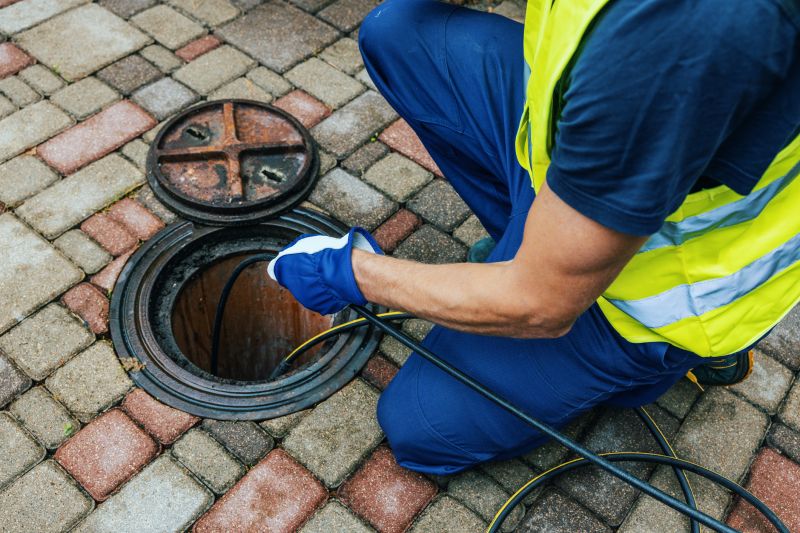
Outdoor drain unblocking - clears leaves, dirt, and debris from yard drains and stormwater systems.
Pipe inspection services - identifies the location and cause of persistent or recurring drain issues.
Clog prevention solutions - offers advice and treatments to reduce future drain blockages.
Drain Blockage Removal Questions
What causes drain blockages? Common causes include grease buildup, hair, soap scum, and debris accumulating over time in pipes.
How can I tell if my drain is blocked? Signs include slow draining water, gurgling sounds, or unpleasant odors coming from the drain.
Are drain blockages a health concern? Yes, standing water and sewage backups can lead to mold growth and bacteria, affecting property hygiene.
What types of drains are typically cleared? Blockages can occur in kitchen sinks, bathroom drains, toilets, and outdoor pipes.
Request Drain Blockage Removal in Denver, CO
Use the quote form on this page to share the basics of your project and request more information for the type of work you need.